Sourdough Discard Pizza Dough Easy Homemade Recipe
If you’re wondering what to do with leftover sourdough discard, turning it into pizza dough is one of the easiest and most rewarding options, especially if you already enjoy baking things like Sourdough Discard Garlic Pull Apart Bread at home.
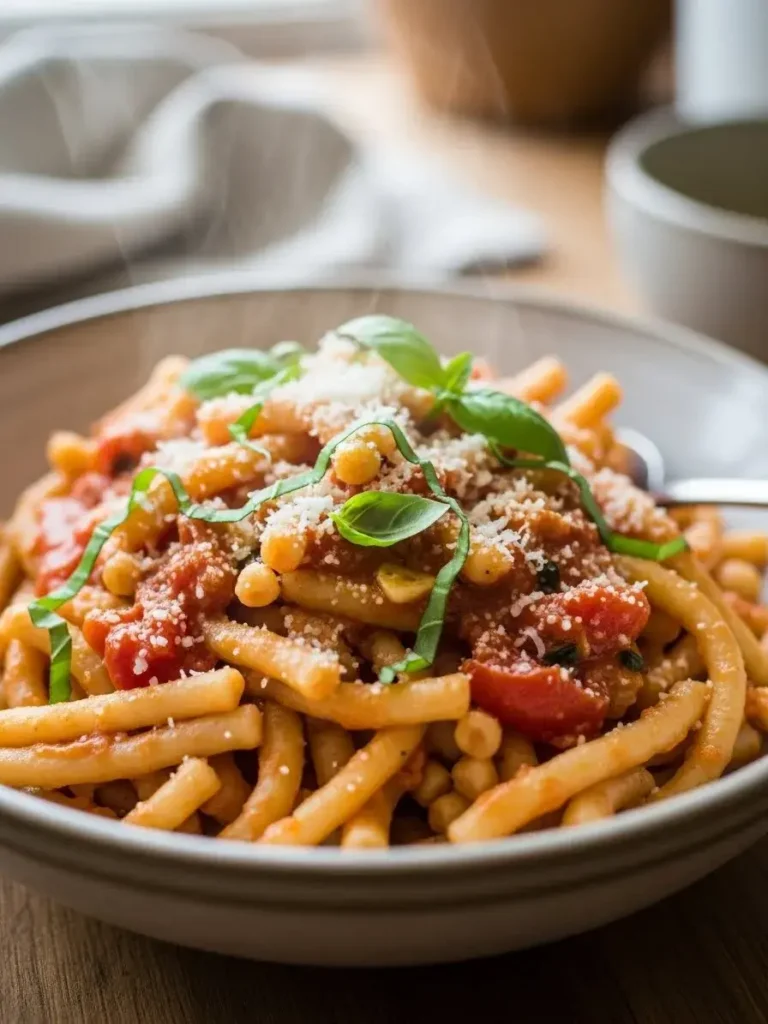
This recipe is ideal for relaxed weekends, last-minute dinners, or anytime you want homemade pizza without advanced planning. The discard adds a mild tang, while a small amount of yeast ensures reliable rise and consistent results, similar to the balance used in Sourdough Pasta recipes.

Unlike classic sourdough pizza dough that may require overnight fermentation, this version fits comfortably into a same-day schedule. It’s flexible, beginner-friendly, and works well whether you prefer a thin, crisp base or a slightly chewy crust.
Understanding Sourdough Discard
Sourdough discard is the portion of starter removed during regular feedings. While it’s often overlooked, discard still contains natural yeast, beneficial bacteria, and plenty of flavor, making it useful beyond crackers like Sourdough Discard Crackers.
Using discard in pizza dough helps reduce waste while enhancing taste and texture. It won’t behave exactly like an active starter, which is why this recipe balances it with commercial yeast for predictable fermentation.
Why Sourdough Discard Works in Pizza Dough
- Adds subtle tang without overpowering the toppings
- Improves dough extensibility and browning
- Makes use of something that might otherwise be thrown away
- Shortens prep time compared to fully fermented sourdough
Ingredients
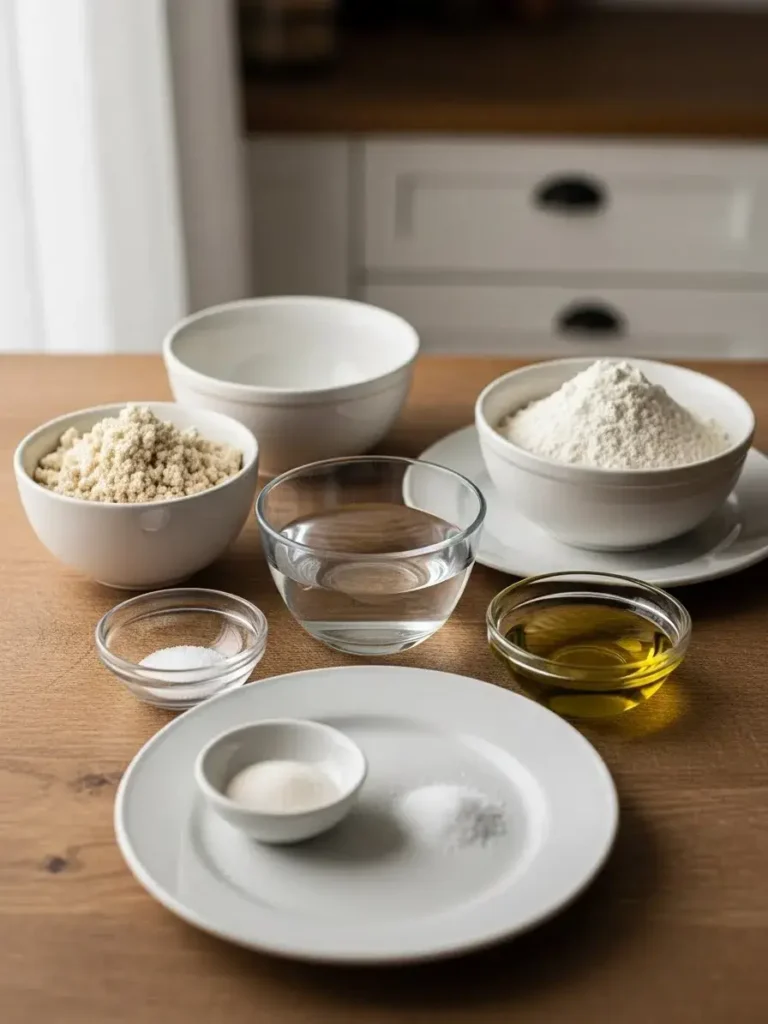
- 1 cup sourdough discard (unfed, room temperature)
- 1 cup warm water
- 2¼ teaspoons instant or active dry yeast
- 3½–4 cups bread flour
- 1½ teaspoons salt
- 2 tablespoons olive oil
How To Make Step By Step Instruction
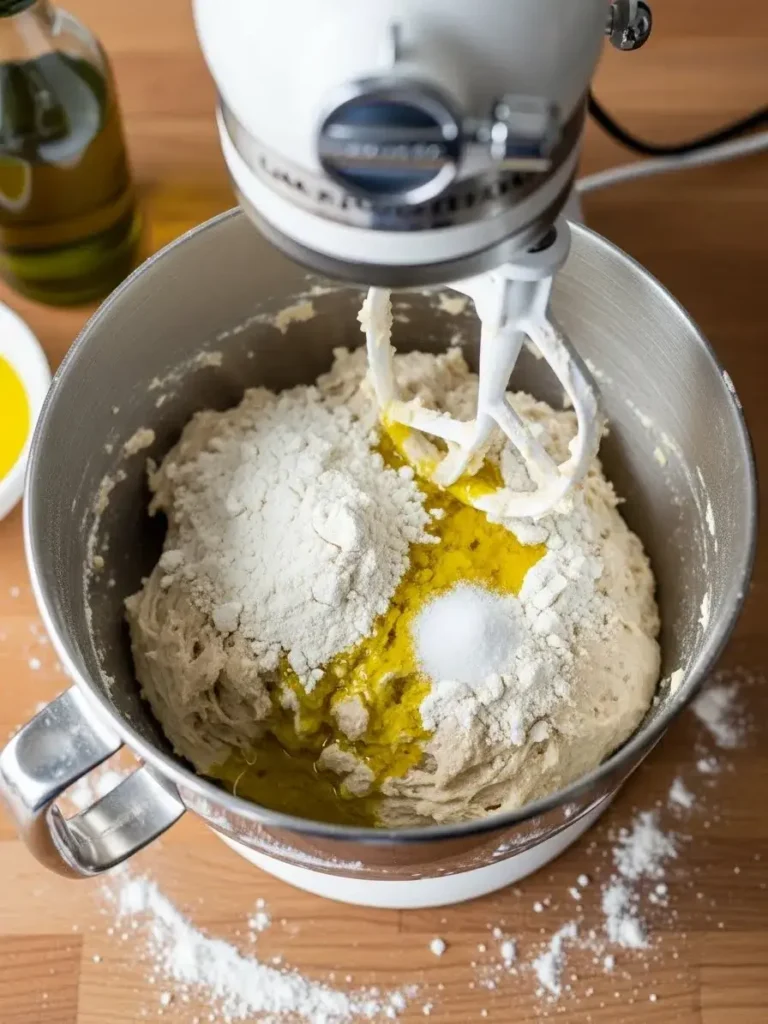
- In a large bowl, whisk together the sourdough discard, warm water, and yeast until smooth.
- Add the flour and salt, mixing until a rough dough forms.
- Drizzle in the olive oil and mix until incorporated.
- Knead the dough by hand or with a mixer until smooth and elastic, about 8–10 minutes.
- Place the dough in a lightly oiled bowl, cover, and let rise until doubled in size, about 2–3 hours, much like the resting stage used for Sourdough Greek Yogurt Cheddar Biscuit doughs.
- Once risen, divide the dough into portions based on your desired pizza size.
- Shape into balls, cover, and let rest for 20 minutes before shaping.
Mixing and Kneading Techniques
Proper kneading ensures good gluten development, which helps the dough stretch easily without tearing, an important step whether you’re making pizza or baking Sourdough Cheese Crackers.
A simple press-and-fold method works well:
- Press the dough forward with the heel of your hand
- Fold it back over itself
- Rotate and repeat
The dough should feel soft, slightly tacky, and elastic by the end of kneading.
The First Rise: Timing and Tips
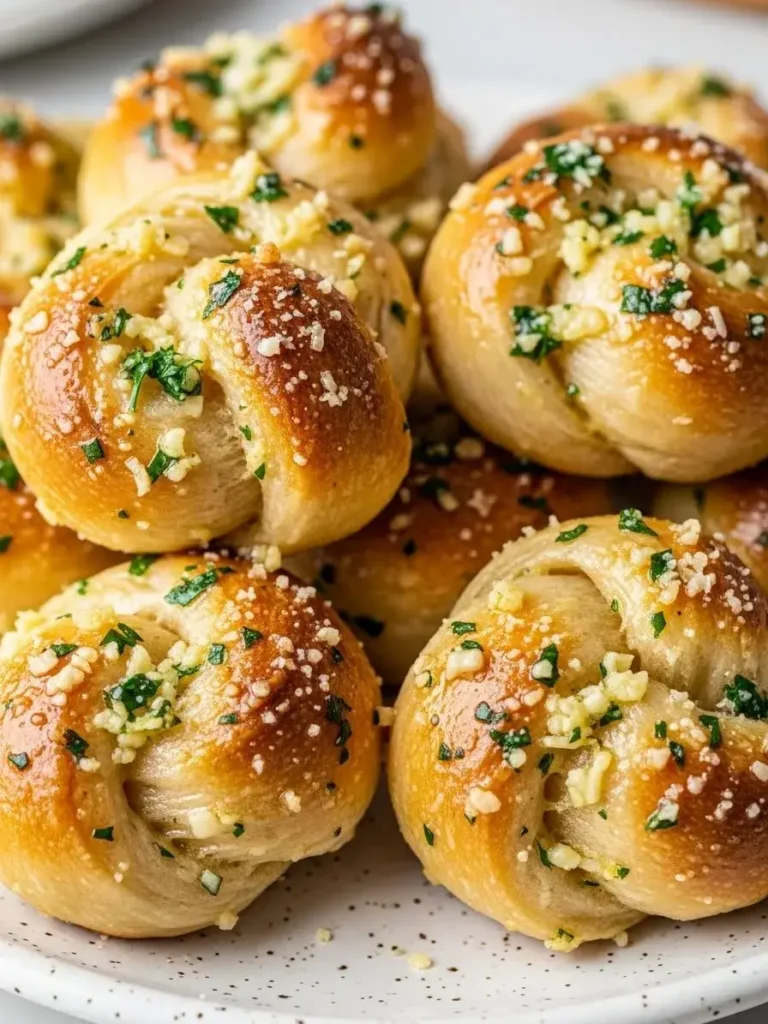
If your kitchen runs cool, techniques similar to proofing Sourdough Garlic Knots can help encourage a steady rise.
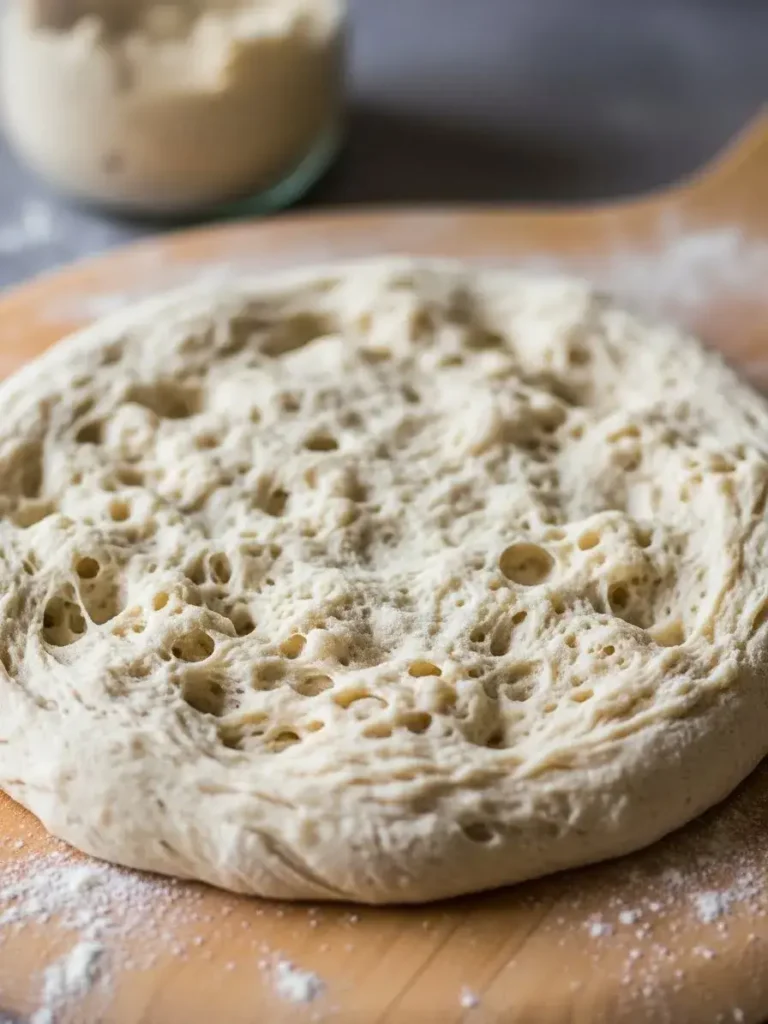
Signs the dough is ready:
- Doubled in size
- Slightly domed surface
- Springs back slowly when pressed
If your kitchen is cool, placing the dough near a warm oven or inside an oven with the light on can help speed things up.
Shaping the Pizza Crust
Turn the rested dough onto a floured surface and gently press it into a round. Start from the center and work outward, leaving a slightly thicker edge for the crust.
Avoid using a rolling pin if possible. Hand-stretching preserves air pockets, giving the finished pizza a lighter texture.
Once shaped, transfer the dough to parchment paper, a pizza peel, or a lightly floured pan.
Topping and Baking
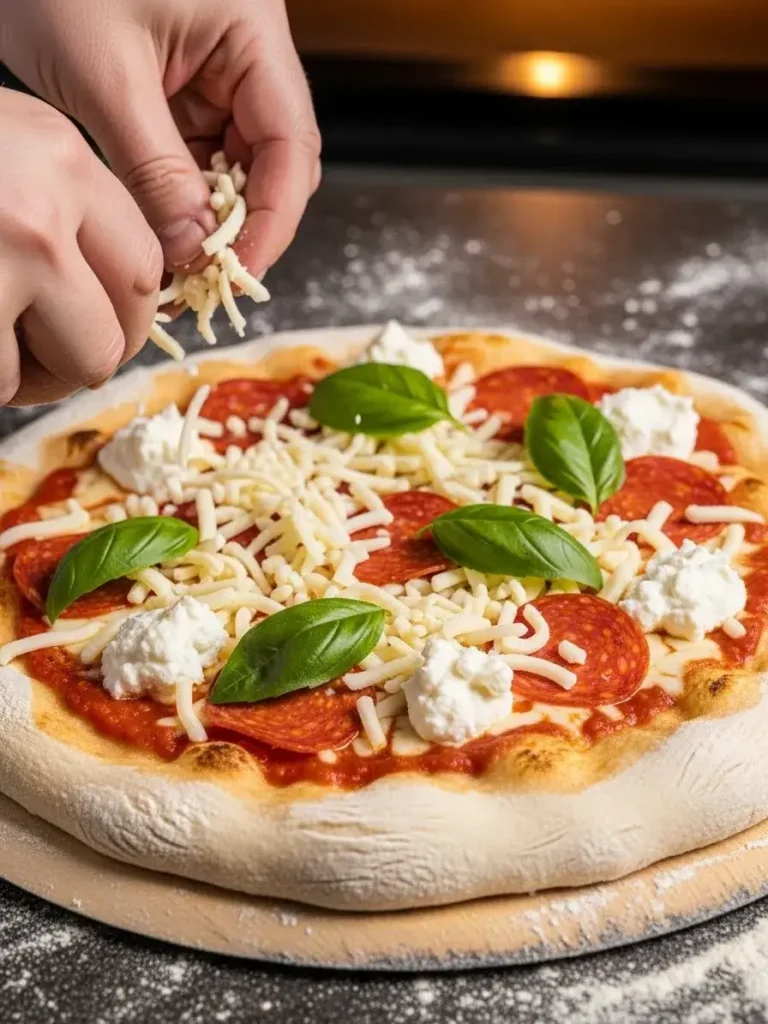
Choosing the Right Toppings
Keep toppings balanced. Overloading the pizza can lead to a soggy center and uneven baking.
Good topping choices include:
- Simple tomato sauce
- Fresh mozzarella or low-moisture cheese
- Cooked vegetables or thinly sliced meats
- Fresh herbs added after baking
Sauce and Cheese Tips
Spread sauce in a thin, even layer, leaving space around the edges. Use just enough cheese to cover the surface without burying the dough.
Blending cheeses can add depth, but mozzarella should remain the base for proper melt.
Oven Preparation and Baking
Preheat your oven to its highest setting, ideally 475–500°F (245–260°C). If using a pizza stone or steel, preheat it for at least 30 minutes.
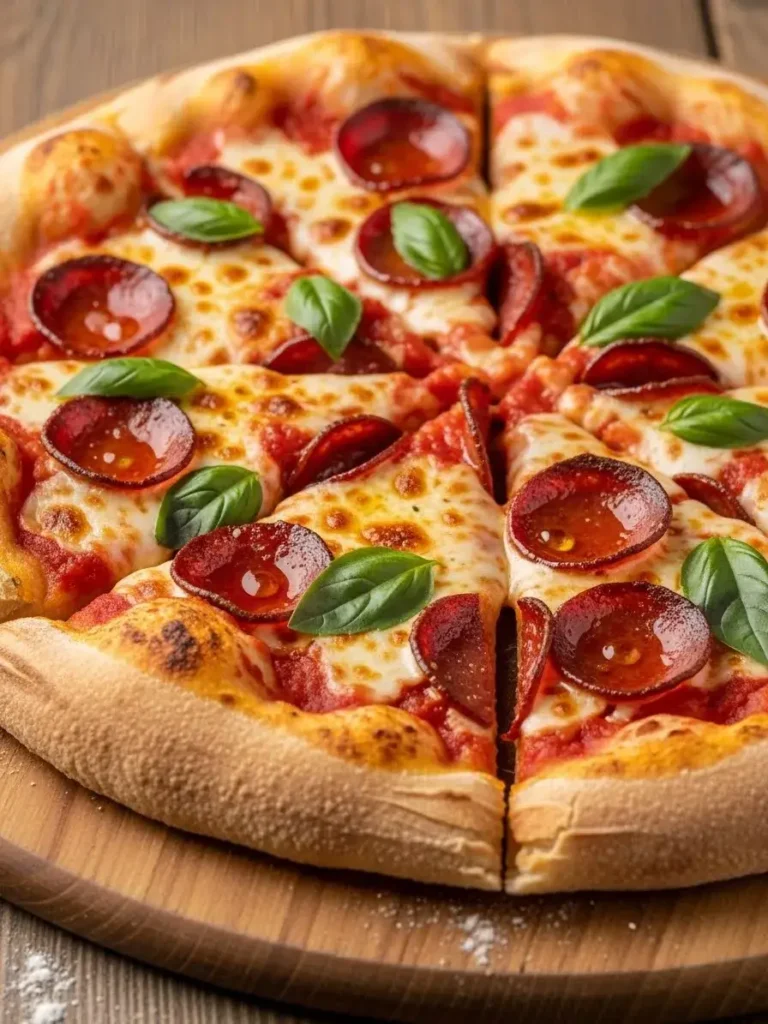
Bake the pizza for 8–12 minutes, rotating if necessary, until:
- The crust is deeply golden
- The cheese is fully melted and bubbling
Let the pizza rest for a minute or two before slicing.
Storing and Handling Dough
Refrigeration
If you don’t plan to bake immediately:
- Place dough balls in lightly oiled airtight containers
- Refrigerate for up to 3 days
Bring the dough to room temperature before shaping for best results.
Freezing
To freeze:
- Wrap dough tightly
- Store in freezer-safe bags or containers
Frozen dough keeps well for up to 2 months. Thaw overnight in the refrigerator, then rest at room temperature before use.
Frozen dough keeps well for up to 2 months. Thaw overnight in the refrigerator, then rest at room temperature before use.
Customizing Your Pizza Style
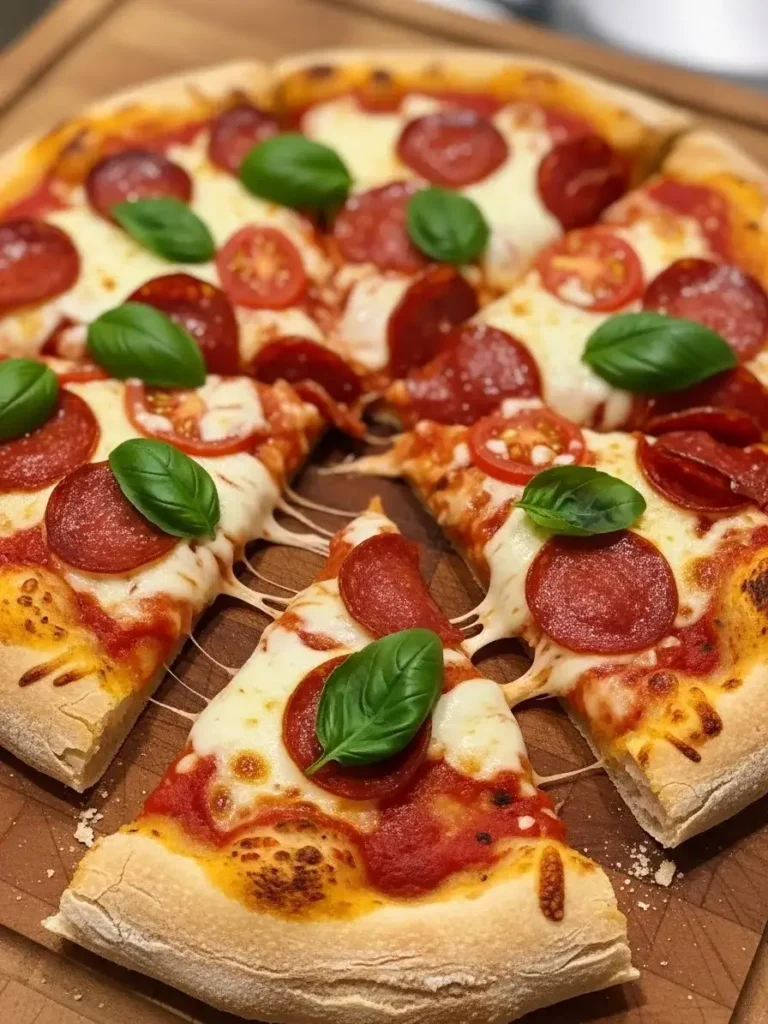
Thin Crust Option
Stretch the dough thinner and bake at a higher temperature for a shorter time. This creates a crisp base with light chew.
Thicker Crust Option
Leave the dough slightly thicker and bake a bit longer at a slightly lower temperature for a soft, airy interior.
Classic and Creative Variations
- Simple cheese or margherita-style pizzas
- Vegetable-forward pizzas with roasted toppings
- White sauce pizzas with garlic and herbs
This dough adapts easily to different topping combinations.
Tools and Equipment
While you can make great pizza with basic kitchen tools, a few items can improve results.
Helpful Equipment
- Pizza stone or baking steel for crisp bottoms
- Pizza peel or flat baking sheet for transferring dough
- Bench scraper for portioning dough
- Cast iron pan for pan-style pizzas
None are mandatory, but each can enhance consistency and texture.
Recipe and Baking Tips

Adjusting Time and Temperature
Every oven behaves differently. If the crust browns too fast, lower the temperature slightly. If it stays pale, increase heat or bake longer.
Watch the pizza, not just the clock.
Flavor Variations
- Add dried herbs to the dough
- Use part whole wheat flour for nuttier flavor
- Brush the crust with olive oil before baking
Small adjustments can create noticeable differences.
Serving and Presentation
Let the pizza cool briefly before cutting. Use a sharp cutter for clean slices and avoid pressing too hard, which can compress the crust.
Finish with:
- Fresh herbs
- A drizzle of olive oil
- Grated hard cheese
Serve immediately for best texture and flavor.
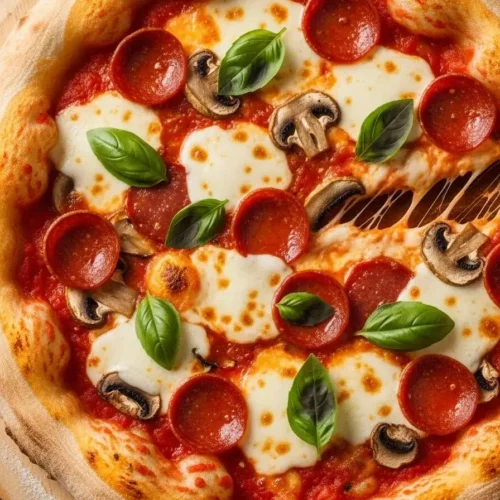
Sourdough Discard Pizza Dough
Ingredients
- 1 cup (240 g) sourdough discard (unfed, room temperature)
- 2½ cups (315 g) all-purpose flour
- 2 tablespoons olive oil
- 1 teaspoon salt
- 1 teaspoon sugar or honey
- 1 teaspoon instant yeast (optional, for quicker rise)
- ¾ cup (180 ml) warm water (as needed)
Instructions
- Mix the Dough: In a large bowl, combine sourdough discard, olive oil, sugar, and warm water. Mix until smooth.
- Add Dry Ingredients: Add flour, salt, and yeast (if using). Mix until a shaggy dough forms.
- Knead: Knead by hand for 8–10 minutes or with a mixer for 5–6 minutes until smooth and elastic.
- First Rest: Place dough in a lightly oiled bowl, cover, and let rest for 2–4 hours at room temperature until slightly puffy.
- Shape the Dough: Divide into two balls. Stretch or roll each into a pizza base.
- Bake: Preheat oven to 475°F (245°C). Add toppings and bake for 12–15 minutes until crust is golden and crisp.
Notes
- For deeper sourdough flavor, refrigerate the dough overnight.
- Bread flour can be used for a chewier crust.
- If your discard is very thick, reduce flour slightly.
- No yeast? Simply extend the rest time to 6–8 hours.
Nutrition (Per Serving – Approximate)
- Calories:230 kcal
- Carbohydrates: 40 g
- Protein: 7 g
- Fat: 5 g
- Fiber: 2 g
- Sodium: 290 mg
Frequently Asked Questions
Can sourdough discard replace all yeast in pizza dough?
Discard contains natural yeast, but it’s less predictable. Adding a small amount of commercial yeast ensures reliable rise and consistent timing.
Is discard pizza dough sour?
The flavor is mild and balanced. The tang is noticeable but not overpowering, making it ideal for a wide range of toppings.
Can I make the dough ahead of time?
Yes. Refrigerating the dough overnight can improve flavor and make shaping easier.
Why is my pizza dough tough?
Over-kneading, too much flour, or insufficient resting time can cause toughness. Letting the dough relax before shaping helps.
Can this dough be used for pan pizza?
Absolutely. Lightly oil a pan, press the dough in, let it rest briefly, then top and bake until golden.
Final Through
Sourdough Discard Pizza Dough is a smart and flavorful way to turn leftover starter into something truly satisfying. With its light chew, crisp edges, and subtle tang, this dough creates a pizza base that feels both rustic and bakery-quality at home. It’s easy to work with, versatile for different toppings, and perfect for weeknight dinners or casual gatherings. Once you try making pizza this way, sourdough discard will no longer feel like waste, but like the secret ingredient you’ll always want to keep on hand.