Sourdough Pasta Recipe Easy Homemade Fermented Pasta
There is something deeply satisfying about making pasta from scratch, and sourdough pasta adds an extra layer of character that sets it apart from ordinary homemade noodles. The natural fermentation from sourdough starter creates a subtle tang, richer flavor, and tender yet chewy texture that feels both rustic and refined. Whether you enjoy slow kitchen projects or simply want to elevate your pasta nights, sourdough pasta is a rewarding recipe that turns basic ingredients into something truly special, especially when paired with crunchy sides like Sourdough Crackers for added texture.
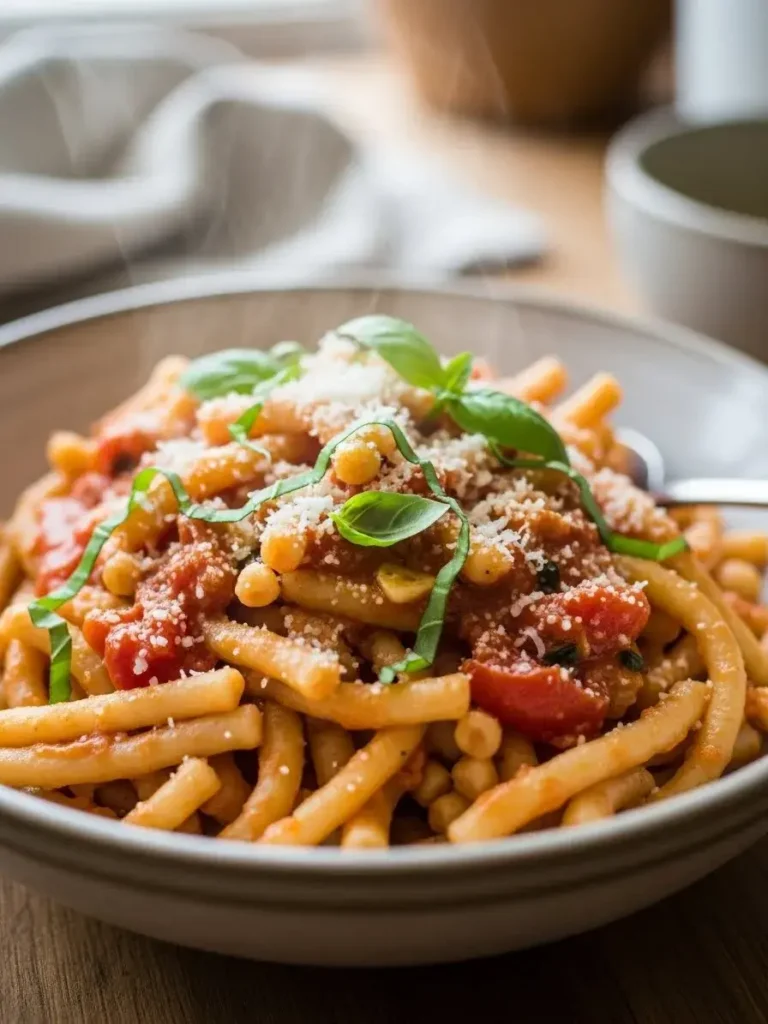
This guide walks you through the entire process in a clear, relaxed way, so you can make confident, delicious sourdough pasta at home without stress or complicated steps. Homemade pasta meals feel even more complete when balanced with fresh vegetable-based dishes such as Japanese Cucumber Salad, which adds a refreshing contrast.
Why Make Sourdough Pasta at Home
Sourdough pasta stands out because of its natural fermentation. The sourdough starter adds gentle tang and improves dough structure, resulting in pasta that feels lighter and more digestible. It is also a great way to use extra sourdough starter while creating something special from everyday ingredients, similar to creative discard recipes like Sourdough Discard Crackers.
Ingredients You Will Need Sourdough Pasta
Sourdough pasta relies on just a few simple ingredients, but each one plays an important role in flavor and texture. Using good quality basics will make a noticeable difference in the final result and pairs well with hearty vegetable sides such as Roasted Carrots And Potatoes for a complete meal.
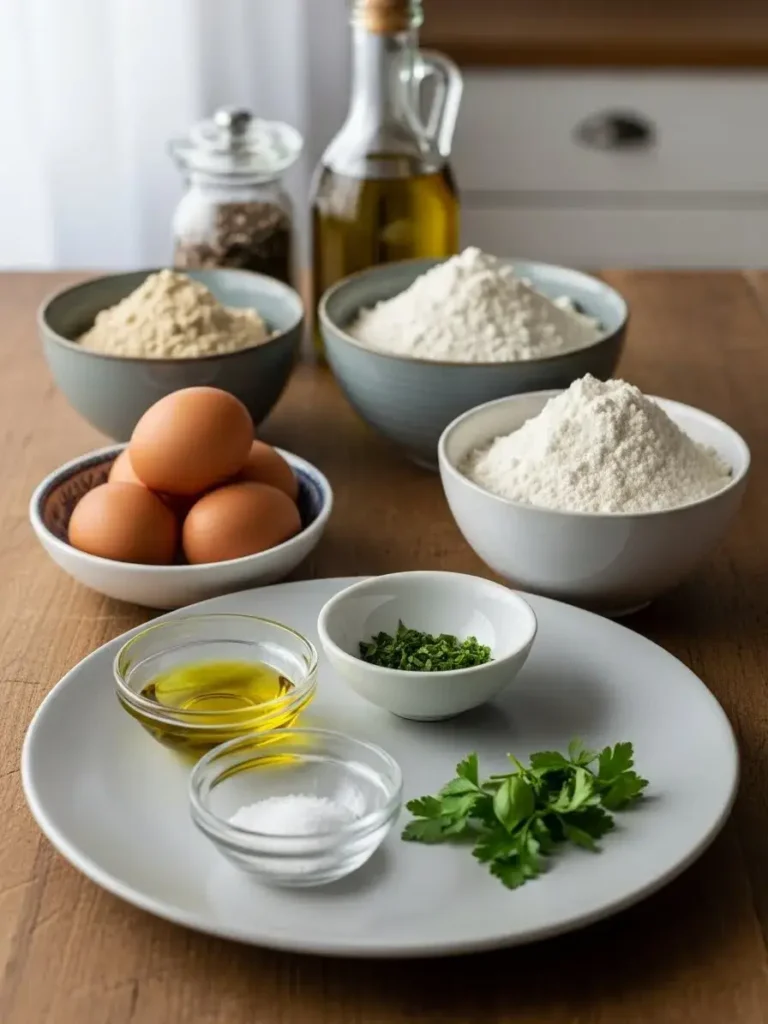
- Sourdough starter
Adds natural fermentation, light tanginess, and improves dough elasticity. Active starter or discard both work well. - Flour
Bread flour gives the pasta structure and chew, while all purpose flour creates a slightly softer noodle. Either option works depending on preference. - Eggs
Eggs enrich the dough, help bind everything together, and create a smooth, workable texture.
How to Make Sourdough Pasta
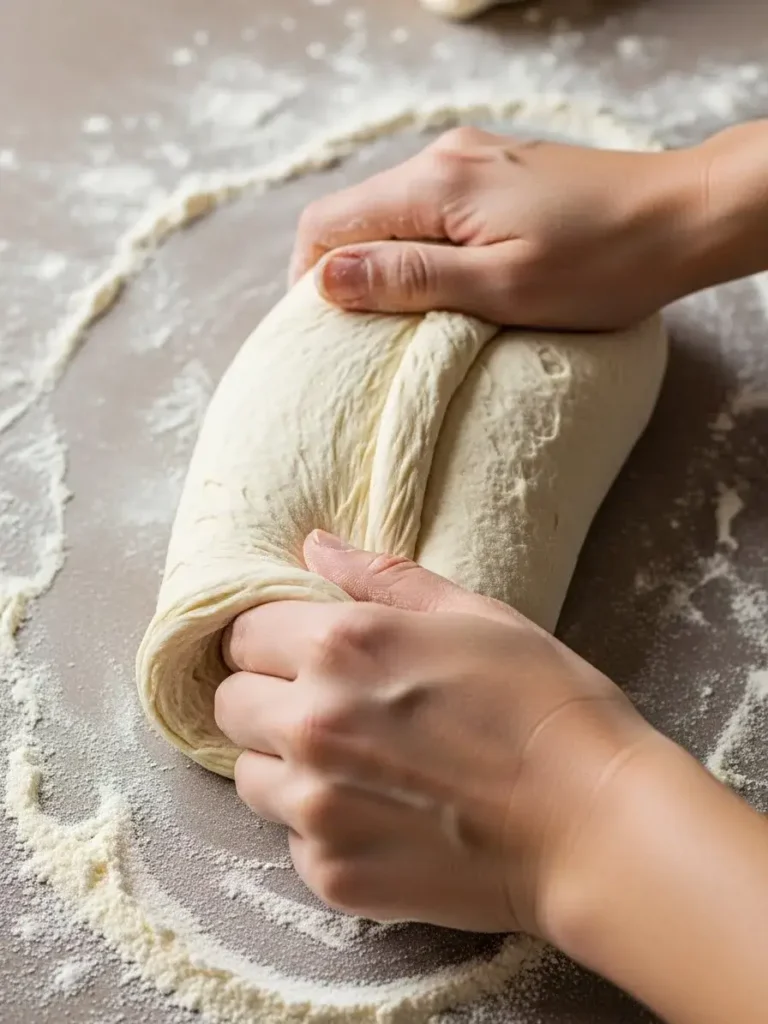
Step 1 Preparing the Dough
Place the flour directly on a clean work surface and form a wide well in the center. Add the eggs and sourdough starter into the well. Using a fork, gently mix the eggs and starter while slowly pulling in flour from the edges. Once the mixture thickens, switch to your hands and bring everything together into a rough dough, which complements Mediterranean-style meals served with Greek Orzo Salad.
Knead the dough for several minutes until it becomes smooth and elastic. If it feels sticky, dust lightly with flour, adding just enough to prevent sticking without drying it out.
Step 2 Resting the Dough
Wrap the kneaded dough tightly and let it rest at room temperature. This rest period allows the gluten to relax, making the dough much easier to roll later. For deeper flavor, the dough can also be rested in the refrigerator overnight and rolled the next day, making it perfect for planning meals alongside Lemon Orzo Salad.
Step 3 Rolling and Cutting
Divide the rested dough into smaller portions to make handling easier. Lightly flour your surface and roll each portion into thin sheets using a rolling pin or pasta machine. Once thin, cut the dough into your desired shape such as long ribbons, wide strips, or simple hand cut noodles.
Step 4 Drying the Pasta
Lay the cut pasta on a floured surface or hang it to dry briefly. Allowing the pasta to dry for a short time helps it hold its shape and improves texture when cooked.
How to Serve Sourdough Pasta
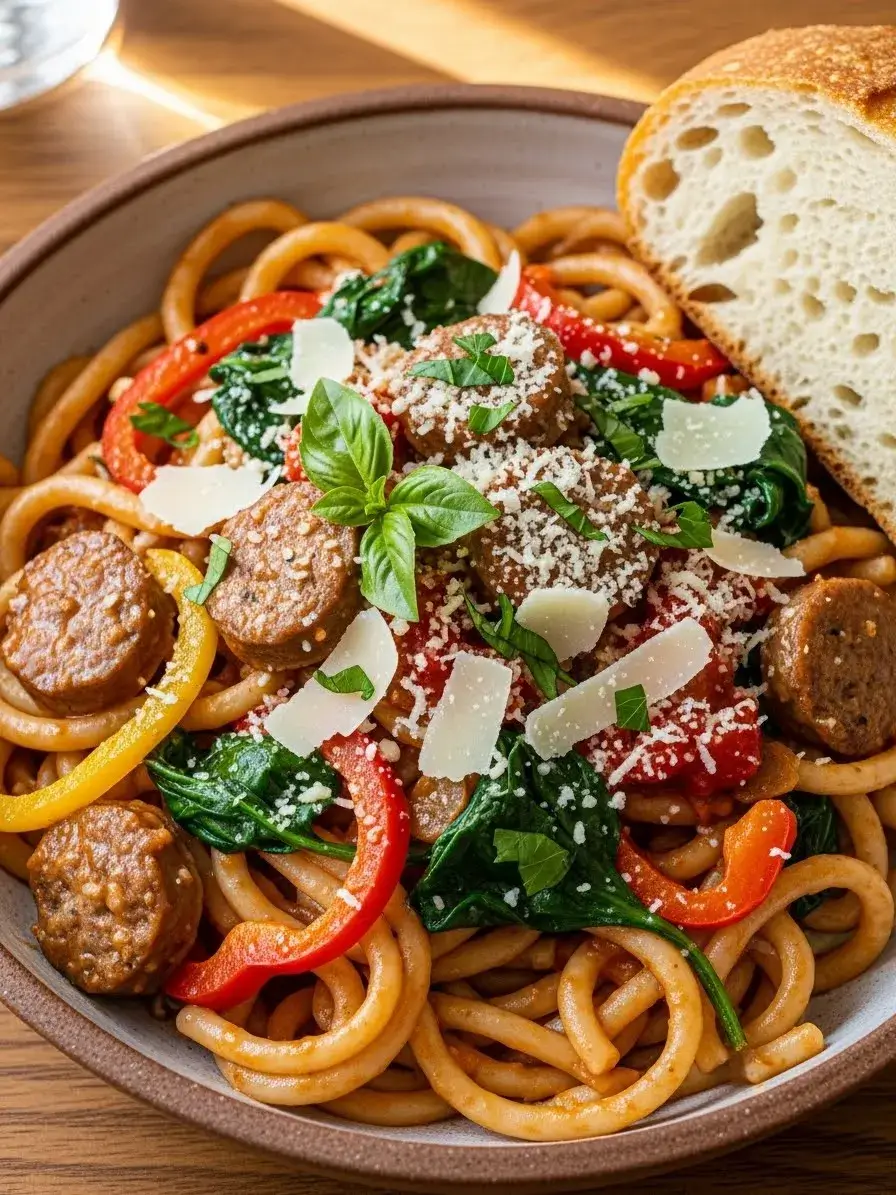
Garnishes
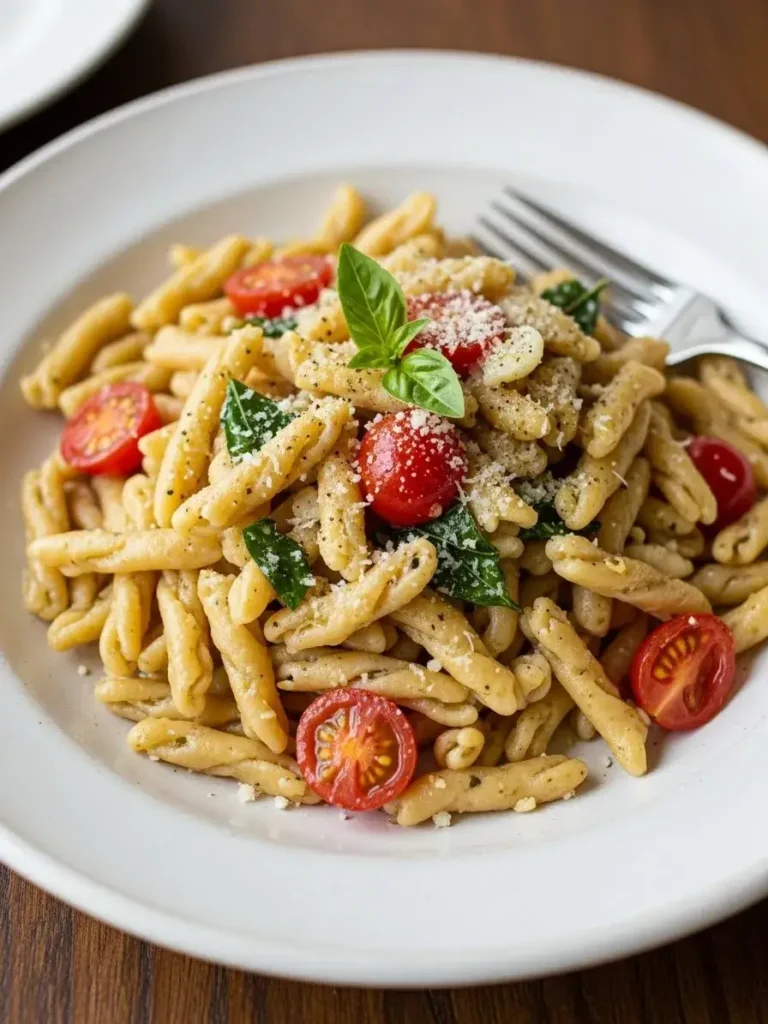
Simple finishes work best with sourdough pasta. Freshly grated hard cheese, a drizzle of olive oil, or a small knob of butter brings out the natural flavor of the dough. Fresh herbs add color and brightness without overpowering the pasta, especially when served alongside Arugula Salad.
Side Dishes
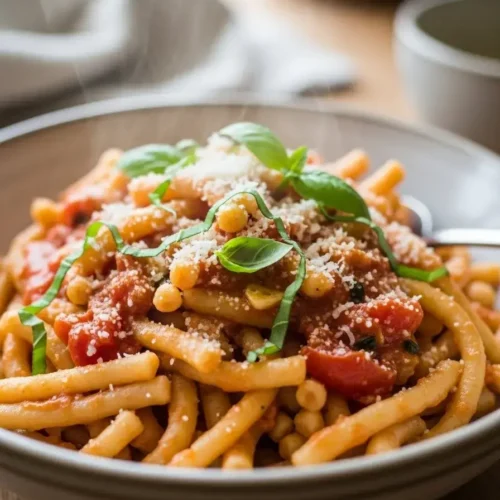
Serve sourdough pasta with light salads, roasted vegetables, or sautéed mushrooms for balance. It also pairs beautifully with slow cooked sauces, creamy blends, or simple tomato based toppings, much like meals complemented by Asian Carrot Salad.
Creative Ways to Present
Twirl the pasta into neat nests for plating, or serve family style in a large warm bowl. Sourdough pasta also works well baked with sauce and cheese for comforting casseroles or layered dishes.
Make Ahead and Storage
Storing Leftovers
Cooked sourdough pasta can be stored in an airtight container in the refrigerator for a short period. Tossing lightly with oil helps prevent sticking.
Freezing
Uncooked pasta freezes very well. Arrange it in portions, freeze until firm, then transfer to freezer bags. Cook straight from frozen without thawing.
Reheating
Reheat pasta gently on the stovetop with a splash of water or sauce. Slow reheating helps maintain texture and prevents drying out.
Helpful Tips for Best Results
- Use enough flour while rolling to prevent sticking
- Do not over dry the pasta before cooking
- Let refrigerated dough warm slightly before rolling
- Taste as you cook to avoid overcooking
Variations and Customizations
- Add finely ground herbs or spices to the dough for extra flavor
- Use a mix of flours for different textures
- Cut thicker noodles for hearty sauces
- Roll thinner sheets for delicate dishes
Sourdough Pasta
Ingredients
- 1 cup active sourdough starter (100% hydration)
- 2 ½ cups all-purpose flour (or semolina for firmer pasta)
- 1 large egg (optional, for richer pasta)
- 1 tablespoon olive oil
- ½ teaspoon salt
- 1–2 tablespoons water (only if needed)
Instructions
- Mix the Dough: In a large bowl, combine sourdough starter, flour, salt, egg (if using), and olive oil. Mix until a shaggy dough forms.
- Knead: Transfer dough to a clean surface and knead for 8–10 minutes until smooth and elastic. Add a little water if the dough feels too dry.
- Rest & Ferment: Place the dough in a covered bowl and let it rest at room temperature for 4–8 hours, or refrigerate overnight for deeper sourdough flavor.
- Roll the Pasta: Divide dough into portions. Roll thin using a rolling pin or pasta machine.
- Cut & Shape: Cut into desired shapes such as fettuccine, spaghetti, or sheets for lasagna.
- Cook: Boil in well-salted water for 3–4 minutes until al dente. Drain and serve with your favorite sauce.
Notes
- Longer fermentation improves flavor and digestion.
- You can use whole wheat or einkorn flour for extra nutrition.
- Sourdough pasta freezes well after shaping.
- Best served fresh with olive oil, garlic butter, or tomato-based sauces.
Nutrition Information (Per Serving – Approx.)
- Calories: 320 kcal
- Carbohydrates: 55g
- Protein: 11g
- Fat: 6g
- Fiber: 3g
- Sodium: 280mg
Frequently Asked Questions
Can I use sourdough discard for sourdough pasta
Yes, sourdough discard works perfectly and is a great way to reduce waste while still adding flavor.
Is sourdough pasta difficult to make
Not at all. The process is simple and forgiving, even for beginners making pasta for the first time.
How long does fresh sourdough pasta take to cook
Fresh pasta cooks quickly, usually in just a few minutes once added to boiling salted water.
Can I make sourdough pasta without a pasta machine
Yes, a rolling pin works just fine. Roll the dough thin and cut by hand for a rustic finish.
Final Thoughts
Sourdough pasta brings together traditional pasta making and natural fermentation in a way that feels both comforting and special. With minimal ingredients and a relaxed process, it turns everyday meals into something memorable. Once you try homemade sourdough pasta, it becomes a recipe worth returning to again and again, whether for quiet dinners or sharing with others.